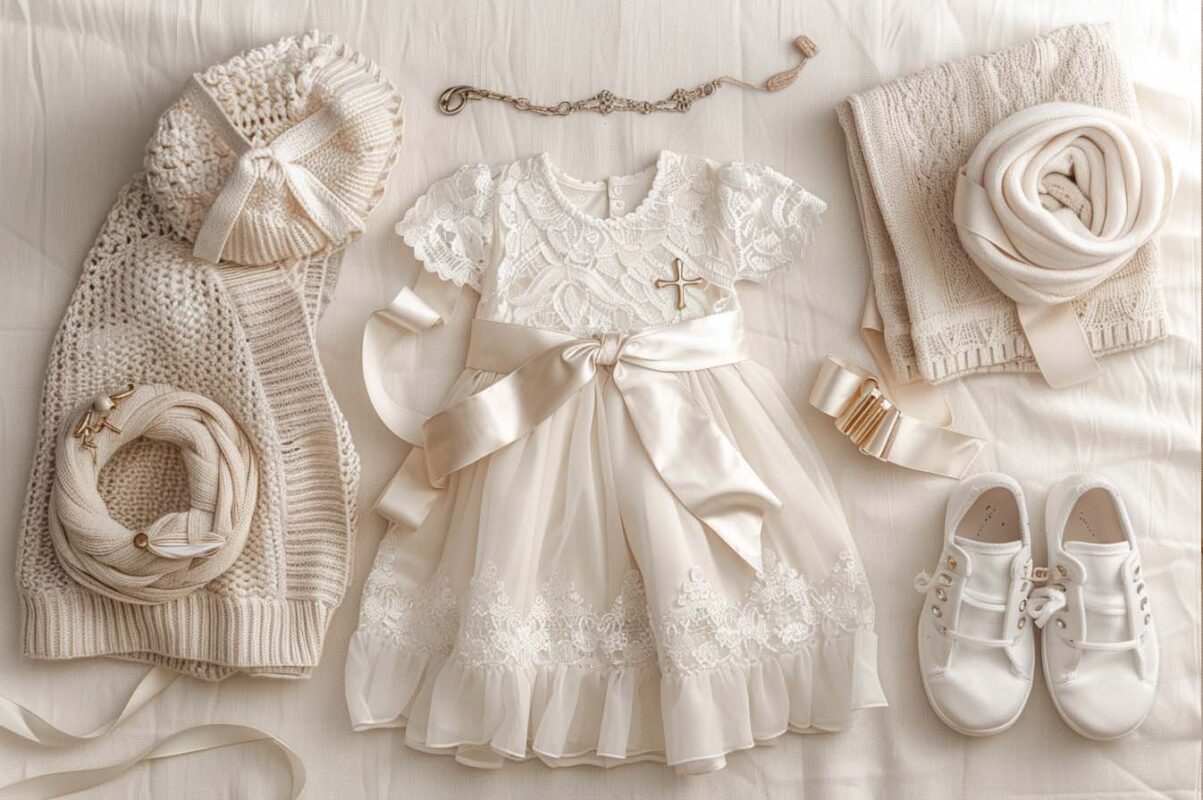


If you’ve started looking at First Communion dresses and felt that tiny “oh no… what if everything is gone?” panic… you’re not alone. Every year, families wait until the last minute, then scramble through sold-out sizes, rushed shipping, and alteration stress.
Here’s the calm truth: buying early doesn’t just give you more options—it gives you a better fit, a better experience, and a more peaceful season. 🙏🤍
The best time to buy a First Communion dress
For most families, the sweet spot is:
✅ Buy the dress 3–5 months before Communion day
That’s early enough to get the style you want, handle exchanges, and schedule alterations—without buying so far ahead that sizing feels like a guessing game.
If your child’s parish does Communion in April or May, that usually means shopping December through February.
The First Communion dress shopping timeline (month-by-month)
6–9 months before Communion (best for planners + popular styles)
Perfect if: you want the widest selection, specialty details, or you know exactly what you want.
What to do:
-
Learn your parish guidelines (some prefer simple dresses, certain sleeve lengths, etc.)
-
Start browsing styles to find what fits your child’s personality:
-
Classic satin + tulle
-
Lace overlay
-
Tea-length vs floor-length
-
Modest sleeves vs cap sleeve
-
-
Begin a budget plan for the “full look” (dress + veil + shoes + accessories)
Why it matters: the most in-demand sizes and classic “Catholic traditional” styles often sell out first.
3–5 months before Communion (the ideal time to buy)
Perfect if: you want plenty of choices and a realistic fit window.
What to do:
-
Buy the dress
-
Purchase or plan the key accessories:
-
Veil or headpiece
-
Shoes (or at least pick a style)
-
Tights/socks
-
Cardigan/bolero if weather is unpredictable
-
-
If the dress is long or has layers, book alterations for closer to the date
Why it matters: this is the best balance of selection + sizing accuracy.
8–10 weeks before Communion (alterations + full outfit planning)
This is when you move from “dress shopping” to “outfit confidence.”
What to do:
-
Do a full try-on with underwear/tights similar to Communion day
-
Confirm:
-
hem length (especially for floor-length gowns)
-
strap/shoulder fit
-
sleeve comfort
-
zipper/button ease
-
-
If alterations are needed, schedule them now
Why it matters: seamstresses get busy fast in spring—waiting can mean you’re stuck with “whatever appointment is left.”
4–6 weeks before Communion (final adjustments + backups)
What to do:
-
Finalize accessories
-
Buy backup basics:
-
extra tights/socks
-
small stain remover pen
-
bobby pins/hair ties
-
-
Have your child practice walking/sitting in the dress and shoes
Why it matters: this is when comfort problems show up—scratchy lace, slipping shoes, itchy seams.
1–2 weeks before Communion (peace-of-mind week)
What to do:
-
Final try-on
-
Steam/press the dress (or hang it properly)
-
Prepare a “Communion Day kit”:
-
tissues
-
safety pin
-
tiny sewing kit
-
deodorant wipes
-
band-aids
-
stain remover pen
-
Why it matters: if something is off, you still have time to fix it without panic.
Why buying early matters (the real reasons parents get stuck later)
1) Sizes sell out—especially the “middle” sizes
Communion season creates a rush. Sizes like 7–10 often go first because they fit a wide age range. Early shopping means you aren’t forced into a style you don’t love just because it’s the only size left.
2) Alterations take time (and good seamstresses book up)
Even a “perfect” dress often needs a small tweak:
-
hem length
-
waist adjustment
-
sleeve comfort
-
strap security
Early buying gives you the luxury of choosing the best tailor, not the only available appointment.
3) Shipping delays happen at the worst time
Spring weather, backorders, wrong-size shipments, or a package that takes a “vacation”… it’s all more stressful when you have no time buffer.
4) Your child’s comfort matters more than the photos
A dress can be beautiful and still be miserable:
-
itchy lace at the arms
-
stiff seams
-
slipping shoes
Buying early gives your child time to get used to it, and gives you time to adjust the plan if needed.
5) You’ll spend less when you’re not desperate
Last-minute shopping often forces:
-
rush shipping fees
-
buying expensive accessories because “that’s all that’s left”
-
paying more for emergency alterations
Early planning is one of the easiest ways to keep the whole outfit on budget.
What if you’re worried about growth spurts?
Totally valid. Here’s the calm strategy:
-
Don’t size up drastically “just in case.” A dress that’s too big often looks messy and is harder to alter.
-
Choose dresses with forgiving fit features:
-
sash ties
-
flexible waistlines
-
adjustable straps (when available)
-
-
If you’re between sizes, decide based on where it’s tight:
-
tight at chest/shoulders → size up
-
slightly loose at waist → alterations can fix easily
-
And remember: it’s easier to tailor slightly bigger than magically create extra fabric.
Quick checklist: what to buy (and when)
When you buy the dress (3–5 months out):
-
Dress ✅
-
Veil/headpiece (or at least choose one)
-
Shoes (or pick the style + confirm comfort)
8–10 weeks out:
-
Alterations appointment (if needed)
-
Tights/socks
-
Cardigan/bolero (spring can be chilly)
1–2 weeks out:
-
Steam/press plan
-
Communion Day emergency kit
FAQs parents ask every single year
“Can we wait until the last minute?”
You can, but it usually means fewer choices, rushed decisions, and more stress. If you want a peaceful season, give yourself a timeline.
“What if my child changes their mind?”
That’s normal—especially if they try on dresses too early without making a decision. A good approach is:
-
browse early
-
choose the dress in the ideal window
-
then stop shopping and focus on accessories
“What’s the biggest mistake families make?”
Waiting until 2–4 weeks before Communion to start. At that point, you’re often choosing from leftovers or paying extra for speed.
A calm next step (so you don’t have to panic later)
If Communion is coming up soon, do this today:
-
Put the Communion date on your calendar
-
Count back 3–5 months
-
Choose your dress-buying week and commit to it
Buying early isn’t about being “extra.” It’s about giving your family peace, your child comfort, and the day the reverence it deserves. 🤍🙏
